General medicine, Functional, & Integrative medicine, Endobiogeny, Phytotherapy.
Endobiogeny & Functional medicine
Functional medicine
Functional medicine looks at how your body is functioning as a whole, rather than focusing only on a diagnosis. The goal is to understand why symptoms appear and what is keeping them going (nutrition, stress, sleep, inflammation, hormones, digestion, environment, etc.).
How it helps
Identifies root causes and key triggers
Builds a personalized plan (food, lifestyle, targeted supplements, and—when needed—medications)
Uses evidence-based tests to better understand what is happening in your body
Aims for long‑term improvement, not only short-term symptom relief
Common domains
Digestive issues (bloating, IBS, reflux, intolerance)
Explores triggers (food, microbiome, inflammation) and supports digestion with nutrition + targeted supplements.
Fatigue and burnout
Looks for underlying drivers (sleep, stress load, deficiencies, thyroid/metabolism) and builds a recovery plan.
Sleep problems (difficulty falling asleep, night waking)
Addresses stress physiology, blood sugar balance, and routines that influence sleep quality.
Stress, anxiety, low mood, brain fog
Supports nervous system regulation, nutrient status, gut-brain axis, and lifestyle factors.
Weight and metabolism (insulin resistance, cravings, cholesterol)
Improves metabolic flexibility through nutrition strategy, movement, and targeted support.
Inflammation and immune issues (allergies, recurrent infections, chronic inflammation
Investigates inflammatory sources and strengthens resilience (gut, nutrients, lifestyle).
Hormonal balance (PMS, irregular cycles, menopause/andropause)
Supports hormone metabolism, ovulation/cycle health, and stress-hormone interactions.
Skin concerns (acne, eczema, psoriasis)
Looks for gut/inflammation/hormonal contributors and supports barrier, detox pathways, and nutrition.
Headaches and migraines
Evaluates triggers (sleep, stress, hormones, inflammation) and creates prevention-focused strategies.
Endobiogeny
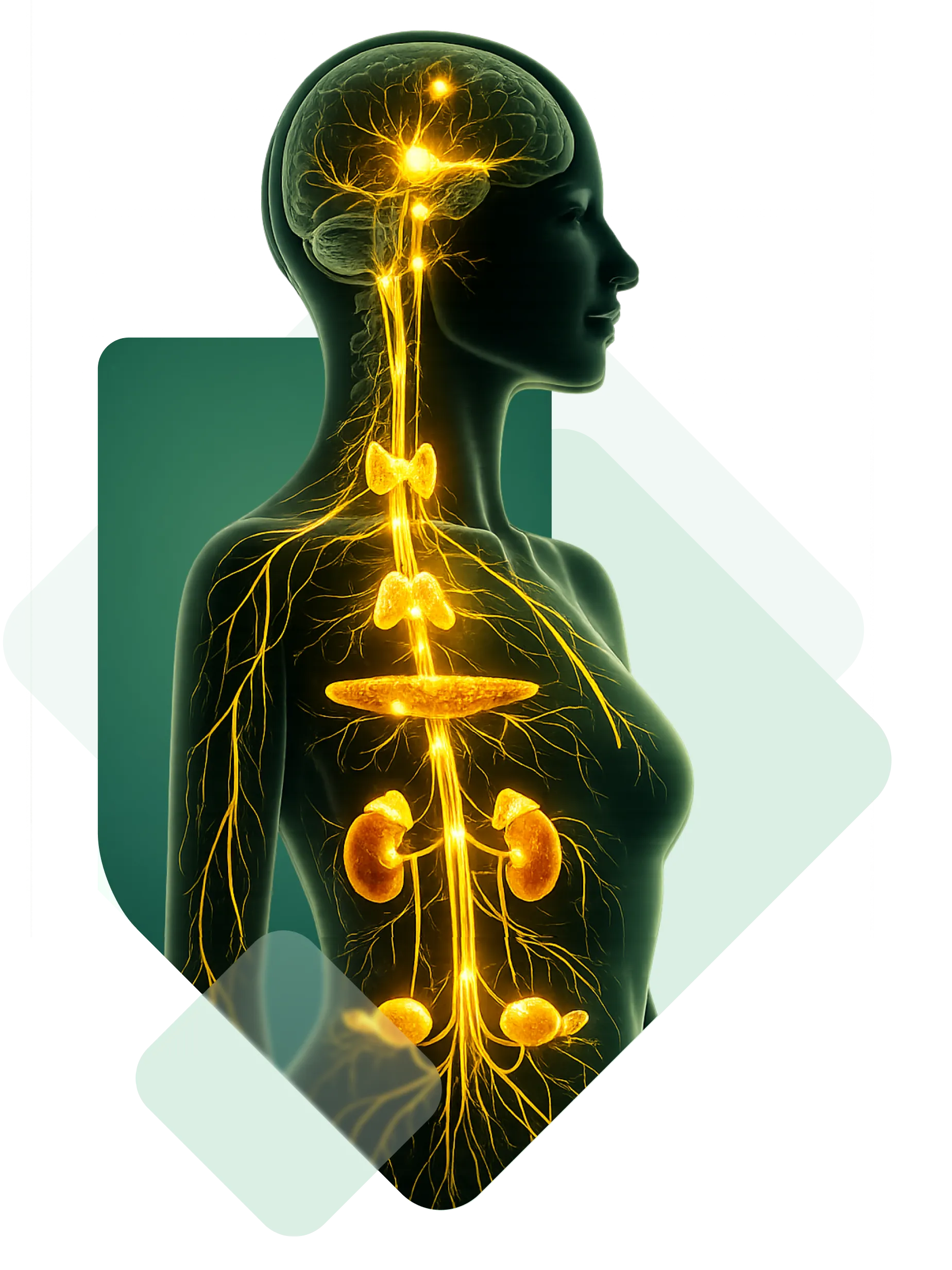
Endobiogeny is a medical model developed in France (Dr. Christian Duraffourd and Dr. Jean‑Claude Lapraz). It focuses on how the body keeps balance through the neuro‑endocrine system (the interaction between the nervous system and hormones).
Instead of asking “what disease is this?”, it often asks “how is the body trying to adapt, and where is regulation struggling?”
How it helps
Gives a dynamic picture of your “terrain” (your functional tendencies and adaptations)
Helps anticipate imbalances early, sometimes before classic tests become clearly abnormal
Guides a precise, individualized strategy (often with phytotherapy/medicinal plants, nutrition, micronutrients, and lifestyle)
Common domains
Stress regulation and fatigue patterns
Identifies your adaptation pattern (cortisol/thyroid/autonomic balance) and guides a regulatory plan.
Thyroid regulation (including “normal TSH but symptoms”)
Focuses on how regulation is functioning and what is driving hypo/hyper tendencies.
Metabolic regulation (blood sugar, weight tendency)
Clarifies your endocrine pattern (insulin–adrenal–thyroid interactions) to target what matters most.
Inflammation and immune reactivity (allergies, recurrent infections, autoimmune terrain support)
Evaluates regulatory tone and supports immune balance.
Digestive and liver regulation (bloating, slow digestion, constipation/diarrhea)
Supports the regulatory function behind digestion and detox pathways.
Headaches, pain, and functional syndromes
Investigates neuroendocrine drivers of inflammation, vascular tone, and pain sensitivity.
Women’s health (PMS, cycle irregularity, fertility support, menopause support)
Clarifies hormonal regulation patterns and supports cycle/transition balance.
Skin terrain (eczema, acne, hives)
Addresses regulatory drivers behind immune reactivity, inflammation, and hormonal influence on skin.
Why combine functional medicine + endobiogeny?
Both approaches are complementary:
Functional medicine helps map your symptoms to body systems and explores contributors (gut, nutrition, toxins, infections, deficiencies, lifestyle, etc.).
Endobiogeny offers a specific “regulation lens”: it focuses on how hormones and the nervous system coordinate your adaptation, and what pattern is driving your imbalance.
Together, they allow a more complete and personalized care plan
A clearer understanding of your priority mechanisms (what to treat first)
A plan that is both system-based (functional medicine) and regulation-based (endobiogeny)
Follow-up that adjusts to your progress and supports sustainable results